
Our work
Engineering, Automation and Software Work
Client work is held under confidentiality. This page describes the kinds of projects undertaken, the in-house products built with the same engineering, and how evidence is shared when you need it.
Geek Engineering's client project material is held under confidentiality and is not published. This page describes the categories of work undertaken — machine retrofits, controls migrations, custom machines, industrial software, data integration and applied AI — alongside in-house products built with the same engineering. Project evidence relevant to a specific enquiry can be shared under NDA.
Featured AI Products
Built and maintained in-house — the AI, software and automation engineering practices this company applies, demonstrated on its own products.
SalesMeeting AI Intelligence App
AI meeting intelligence for sales teams — records and transcribes sales calls, surfaces buying signals and objections, extracts action items, and delivers CRM-ready summaries so reps spend time selling instead of note-taking.
- Call transcription & speaker analytics
- Deal-signal and objection detection
- Automated follow-ups & CRM summaries
ImageVideo AI
An AI image and video platform that generates, edits, and enhances visual content at scale — product imagery, marketing video variants, and automated post-production workflows powered by the latest generative models.
- AI image generation & enhancement
- Automated video editing pipelines
- Brand-consistent content at scale
Our Completed Pipelines & Systems
Client electrical schematics, machine assemblies, and software are treated as confidential and published only with written permission.
Intellectual Property & Confidentiality First
Because we engineer proprietary machinery, custom PLC code structures, and critical operational software for competitive markets, our customers' technical assets are strictly guarded.
Categories of work undertaken
Individual engagements stay confidential, but the shapes they take do not. These are the project types this company is equipped to take on, and what each one typically involves.
| Project type | What it typically involves |
|---|---|
| Controls retrofit on running equipment | As-found documentation, staged migration, cutover inside available downtime |
| Obsolete platform migration | Program conversion, I/O strategy, HMI/SCADA rebuild, acceptance testing |
| Custom machine or robotic cell | Mechanical, electrical, controls and safety designed as one scope |
| OEM machine standardisation | Reusable code and electrical templates, configuration-driven options, launch package |
| Line integration | Coordinating OEM machines, accumulation strategy, line-level control |
| Plant data integration | Reliable acquisition, agreed metric definitions, dashboards and reporting |
| Applied AI pilot | Readiness assessment, measured baseline, acceptance criteria set in advance |
| Test and inspection systems | Measurement design, fixtures, software, traceable results |
System Integration Practices
Client drawings and code stay confidential. These are the practices our engineering work is built around, with standards referenced as applicable to each project's scope — they are references, not certifications held.

Panel design with UL 508A in view
Control panel layouts, component selection, and wiring documentation are prepared with UL 508A requirements considered. Where a listing is required, a UL-listed panel shop applies the label.

IEC 61131-3 program structure
PLC programs are organized in ladder logic, structured text, and function blocks with consistent modules and naming, so the next engineer can read and troubleshoot them.
Industrial network design
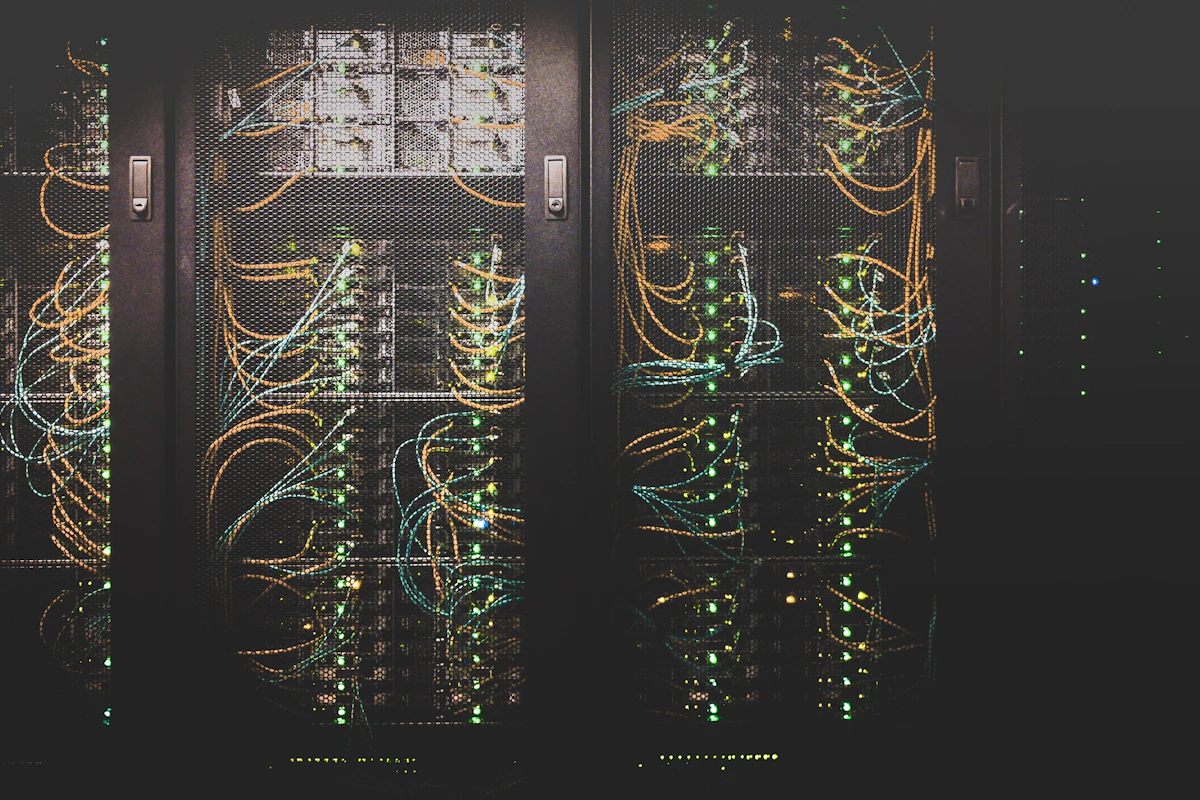
Plant networks are planned around EtherNet/IP, Modbus TCP, or PROFINET, with segmentation and firewalling between plant and business systems where the scope includes it.

Testing before commissioning
Controllers and software are exercised against a written test procedure before go-live, and deviations are tracked to closure.
How project evidence is shared
Describe your project and what evidence would be meaningful to you.
Relevant material is identified — drawings, code structure, screen layouts, documentation samples — sanitised or under NDA as required.
Where a reference conversation is appropriate and a client has agreed to it, that is arranged directly.
What is not offered: client logos, testimonials or case studies published without written permission. That constraint is deliberate.
Last reviewed by Geek Engineering senior engineering review.
Questions about project evidence
Why are there no case studies on this site?
Because publishing client work requires written permission, and permission that has not been obtained cannot be substituted with anonymised claims that imply it. Project evidence is shared confidentially on request instead. A vendor willing to publish your competitor's project without permission would publish yours the same way.
Are the AI products on this page real, working products?
They are built and maintained in-house and demonstrate the same engineering applied to client work. They are shown because they are material the company can publish freely, not as a substitute for client references.
Can we speak to a reference?
Where a client has agreed to act as a reference for comparable work, that can be arranged. Reference availability depends on the client's own confidentiality position, which is checked before it is offered rather than promised in advance.