
OEM & Manufacturing Engineering
Repeatable Machines, Controls, and Production Systems
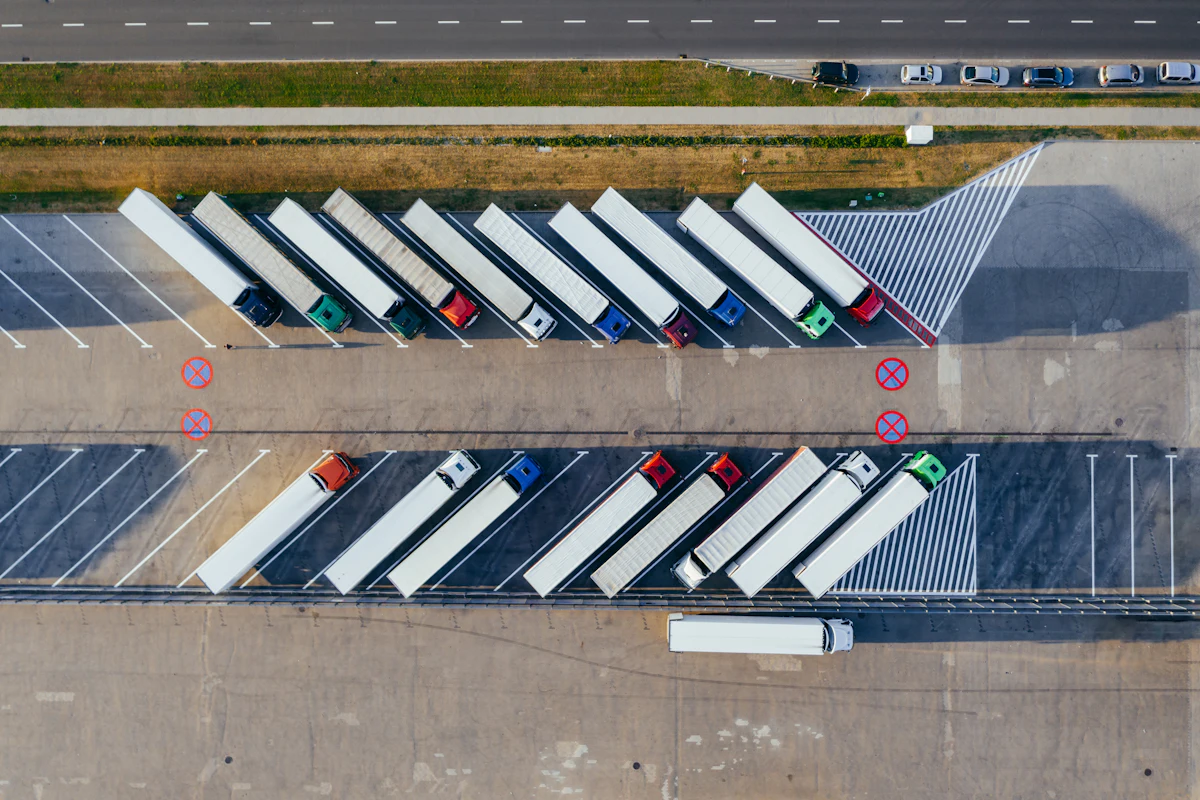
OEM and manufacturing engineering is the work that makes a machine repeatable: a design package, reusable controls standards, and documentation good enough for someone who did not design the machine to support it in the field. Geek Engineering provides that engineering for machine builders and manufacturers, so the tenth build behaves like the first and customer-specific options do not fork the design.
Why OEM engineering differs from plant engineering
A plant needs one machine to run well. An OEM needs the fiftieth build to behave like the first, be supportable by a field technician who has never seen it, and absorb customer options without becoming a new machine each time. That makes standards and documentation part of the product, not overhead attached to it.
Core services
What OEM & Manufacturing Engineering covers
- OEM Machine & Equipment Engineering
- Manufacturing Process Improvement
- Continuous Improvement & Productivity Engineering
Overview
What to expect from OEM & Manufacturing Engineering
Machine builders face a different problem from plants. A plant needs one machine to run well; an OEM needs the tenth and the fiftieth build to behave like the first, be supportable in the field by someone who did not design it, and absorb customer-specific options without becoming a new machine each time. Engineering for repeatability is therefore as much about standards and documentation as it is about the mechanical and electrical design.
In practice that means investing in the parts of the design that get reused. Reusable control code with consistent tag conventions, a standard HMI object library, common alarm handling, and electrical templates that carry across a machine family all reduce the effort of each subsequent build and make field support tractable. Options are handled through configuration rather than forked programs wherever possible, because divergent one-off copies are what make a fleet unsupportable a few years later. Design-for-manufacturing review, component selection with an eye to availability, and bills of material that a purchasing team can actually work from address the same goal from the build side.
Component obsolescence deserves attention before it becomes urgent. Processors, drives, HMIs and industrial PCs move through their life cycles faster than the machines they sit in, and a planned migration is considerably cheaper than an unplanned one triggered by a part that can no longer be bought. Alongside that, the launch package — manufacturing drawings, panel documentation, software backups, I/O lists, acceptance test records and operator material — determines how much service time each machine consumes over its life. Scoping an OEM engagement is easiest with the current design package, the build volume and mix, the options that vary between customers, and the field support model the machine has to fit.
How we deliver
What every engagement includes
Geek Engineering applies the same delivery discipline across every service. Project-specific outcomes are published only with client permission.
Evidence without the marketing
Client-specific outcomes are shared only with written permission, so this page carries no invented statistics and no anonymous testimonials. What we can walk through in a scheduled technical conversation: sanitized drawings and code structure, representative panel photos, and the exact documentation standard your project would receive.
Request a capability reviewCited sources
Standards and references used in this work
Geek Engineering designs to applicable industry standards and vendor documentation. The following references are commonly used during OEM & Manufacturing Engineering engagements, applied as each scope requires. They are references, not certifications held.
- •National Electrical Code (NEC) — electrical design and panel safety
- •UL 508A — industrial control panel construction and safety
- •IEC 61131-3 — programmable controller programming standards
- •IEEE standards — industrial networks, power, and instrumentation
- •ISA-5.1 — instrumentation and P&ID documentation standards
- •Vendor technical manuals — Allen-Bradley, Siemens, Mitsubishi platform documentation
OEM & Manufacturing Engineering — Detailed Breakdown
We support original equipment manufacturers, machine builders, and industrial plants with coordinated electrical, mechanical, controls, and software engineering. The result is a production-ready package that is easier to build, commission, support, and reproduce.
OEM Machine & Product Engineering
- Coordinated mechanical assemblies, electrical schematics, control architecture, safety circuits, and software interfaces
- Design-for-manufacturing reviews, component selection, bills of material, and cost-reduction engineering
- Prototype support, test plans, design verification, and controlled release into repeat production
Controls Standardization
- Reusable PLC code, HMI objects, alarm standards, tag conventions, and electrical design templates for machine families
- Platform migration and component-obsolescence planning across Allen-Bradley, Siemens, Mitsubishi, and other ecosystems
- Remote-support architecture, diagnostics, recipes, data collection, and customer-specific options management
Manufacturing & Process Improvement
- Cycle-time, downtime, scrap, changeover, and material-flow analysis tied to measurable production targets
- Machine retrofits, error-proofing, instrumentation, automated inspection, and line-integration projects
- OEE dashboards and plant-data integration connecting equipment to MES, ERP, maintenance, and quality systems
Documentation & Launch Support
- Manufacturing drawings, panel documentation, software backups, I/O lists, manuals, and as-built packages
- Factory acceptance testing, site acceptance testing, commissioning, operator training, and launch support
- Structured handoff packages that reduce future service time and dependence on tribal knowledge
OEM & Manufacturing Engineering: what is needed, what you receive, and what drives cost
What makes a machine family supportable
| Element | Repeatable | One-off (and expensive later) |
|---|---|---|
| Control code | Standard library, consistent tag conventions | Copied and edited per customer |
| Customer options | Handled by configuration | Forked programs per order |
| HMI | Shared object library, common alarm handling | Redrawn per project |
| Electrical | Templates across the machine family | Redrawn per order |
| BOM | Purchasing-ready, availability-checked | Assembled at build time |
| Documentation | Launch package as a deliverable | Written after shipment, if at all |
What drives cost and timeline
- Build volume and option mix — how much variation the standards must absorb.
- Whether standards already exist or must be created from existing builds.
- Component lifecycle exposure — processors, drives and industrial PCs move through lifecycles faster than the machines they sit in.
Where this is not the right fit
Geek Engineering provides engineering, not contract manufacturing. Panel design and build coordination is offered; panel assembly at volume, listed-panel-shop work and licensed trade installation are not, and are identified early so they can be assigned to an appropriate party.
Last reviewed by Geek Engineering senior engineering review.
Buyer questions
Frequently Asked Questions
Can you act as an engineering extension for an OEM?
Yes. We can own a defined electrical, mechanical, controls, software, documentation, test, or launch workstream while working within the OEM's standards and release process.
How do you make machine designs easier to repeat?
We standardize drawings, code modules, HMI objects, naming, bills of material, options, test procedures, backups, and revision control so future builds require less one-off engineering.
Do you support factory and site acceptance testing?
Yes. We can help write and execute FAT and SAT plans, document issues, verify corrective actions, support commissioning, and prepare the final as-built handoff package.
We already build machines. Where does outside engineering actually help?
Usually in the parts that get reused rather than the next machine itself: a standard control code library, a common HMI object set, electrical templates for the machine family, and a launch documentation package. Those reduce the effort of every subsequent build and are the hardest work to fit around an in-house team that is fully committed to shipping current orders.
How do we stop customer-specific options from forking our design?
By handling options through configuration rather than through copied programs. One code base with option flags, a common HMI structure, and electrical templates that accommodate the variants means a field technician sees the same machine every time. Divergent one-off copies are what make a fleet unsupportable three years later.
What should be in an OEM machine's launch package?
Manufacturing drawings, panel documentation, program backups, I/O lists, acceptance test records, spare-parts list and operator material. The completeness of that package determines how much service time each machine consumes over its life, which is why it is treated as a deliverable rather than as paperwork after shipment.
Where this capability leads
OEM Machine Engineering Launch Package
Design package plus reusable controls standards.
Custom machines & robotic cells
When a machine has to be designed rather than standardised.
OEM engineering outsourcing guide
What to keep in-house and what to place outside.
FAT and SAT commissioning guide
What each acceptance test proves, and what it does not.
Who should hire Geek Engineering
Where we fit, and the work we turn down.
Talk to an Engineer About OEM & Manufacturing Engineering
Send your schematics, code, or the problem in plain words. A senior engineer reviews it and responds with questions, a proposed approach, and the next concrete step.